


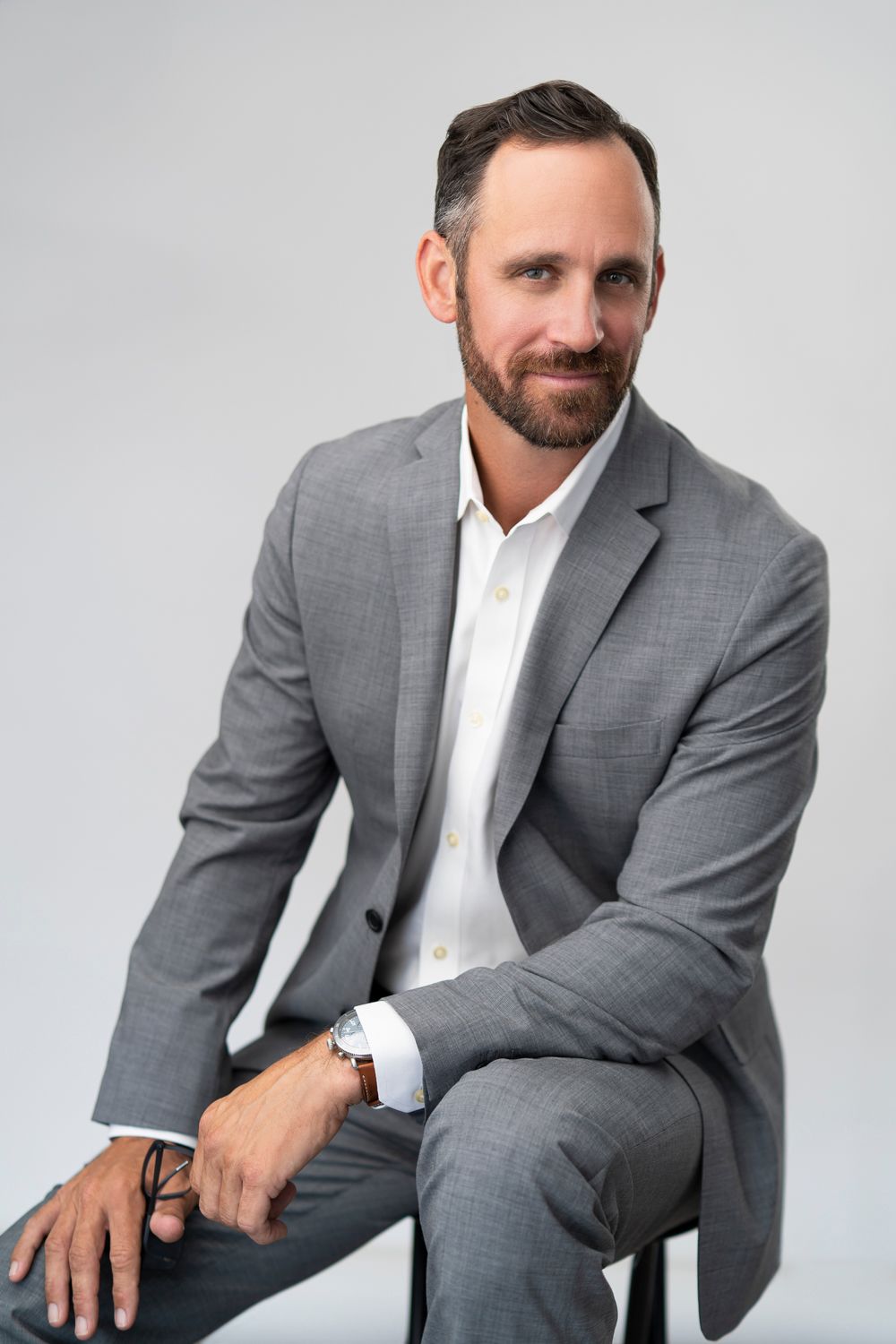
What good headshots have in common
A strong headshot usually reveals itself in seconds. You see someone and immediately believe they are capable, polished, and aligned with the role they hold or want next. That is why reviewing examples of a good headshot matters. It helps you move past vague advice and understand what actually creates credibility on LinkedIn, company websites, speaker bios, press features, and personal brand materials.
The challenge is that a good headshot is not one single look. A founder raising capital needs a different visual message than a litigator, a keynote speaker, or an actor updating a portfolio. The best image is the one that matches your market, your goals, and the way you want people to feel before they meet you.
Before looking at specific examples of a good headshot, it helps to understand the shared standard. Strong headshots are clear, intentional, and professionally executed. The subject looks engaged, the lighting is flattering without being distracting, the wardrobe supports the brand message, and the expression feels believable rather than forced.
Just as important, the image feels current. An outdated headshot can undermine trust even if it was technically well photographed. People want visual consistency between your online presence and the person who walks into the room, joins the video call, or steps onto the stage.
12 examples of a good headshot
1. The executive leadership headshot
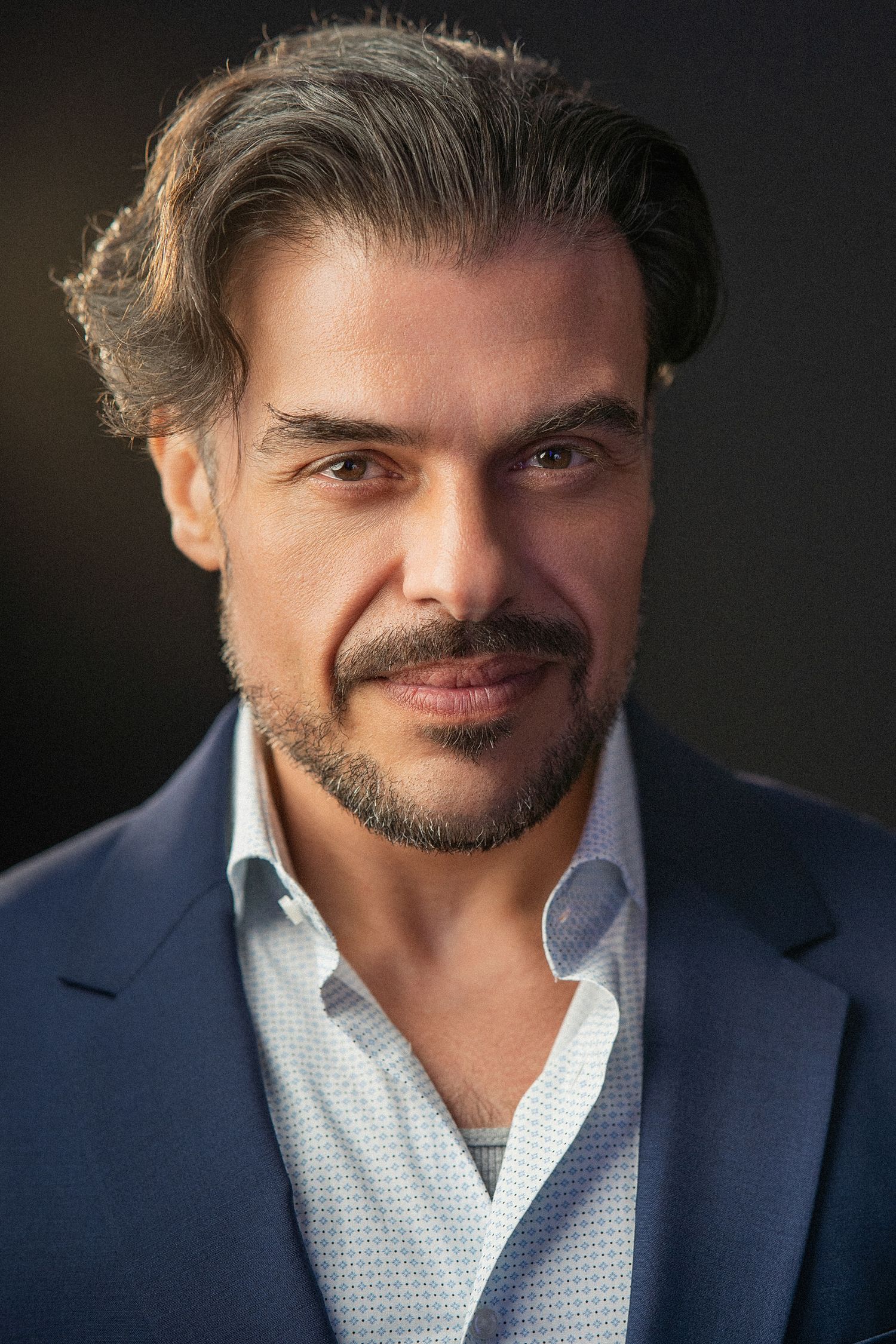
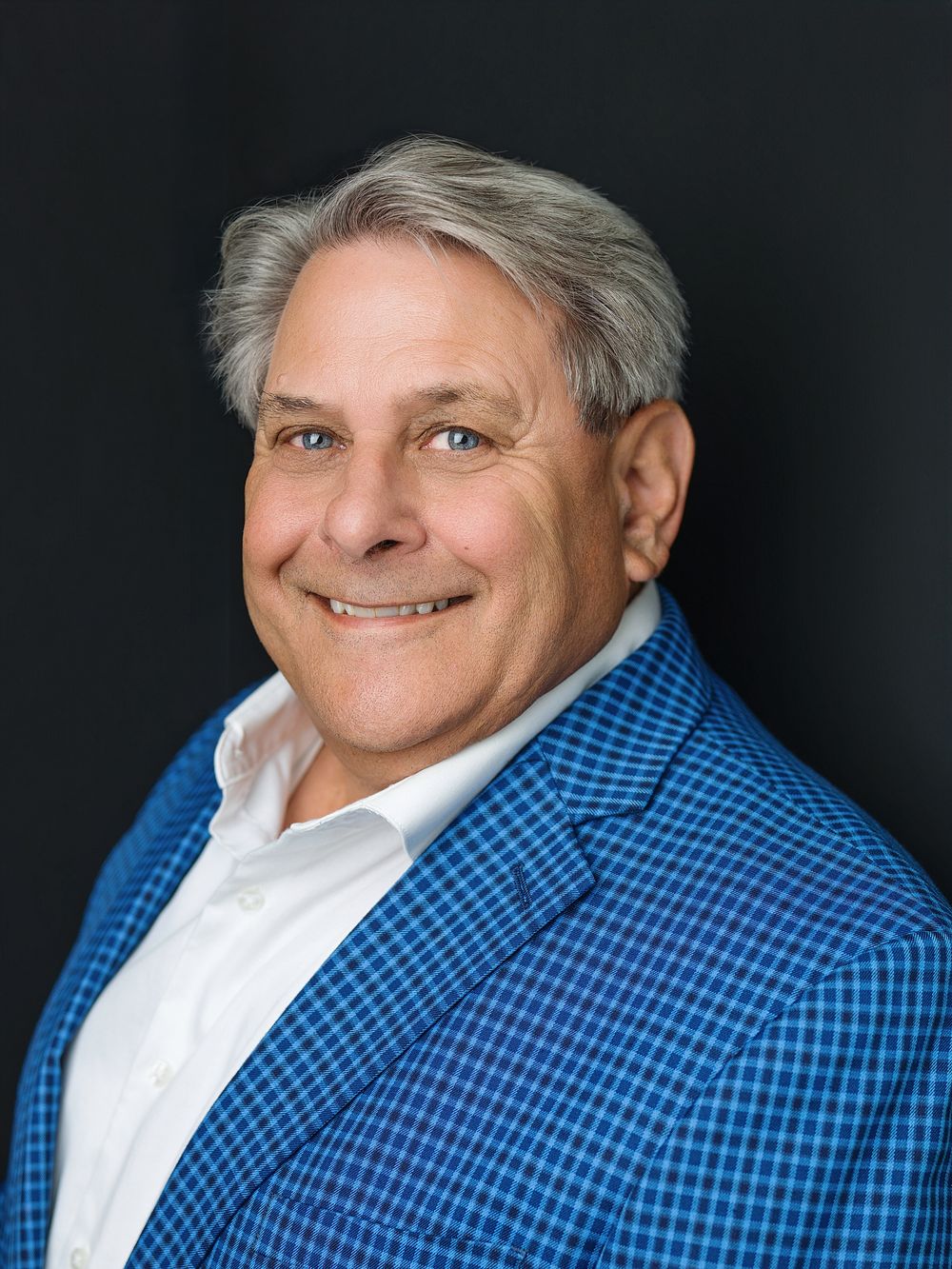
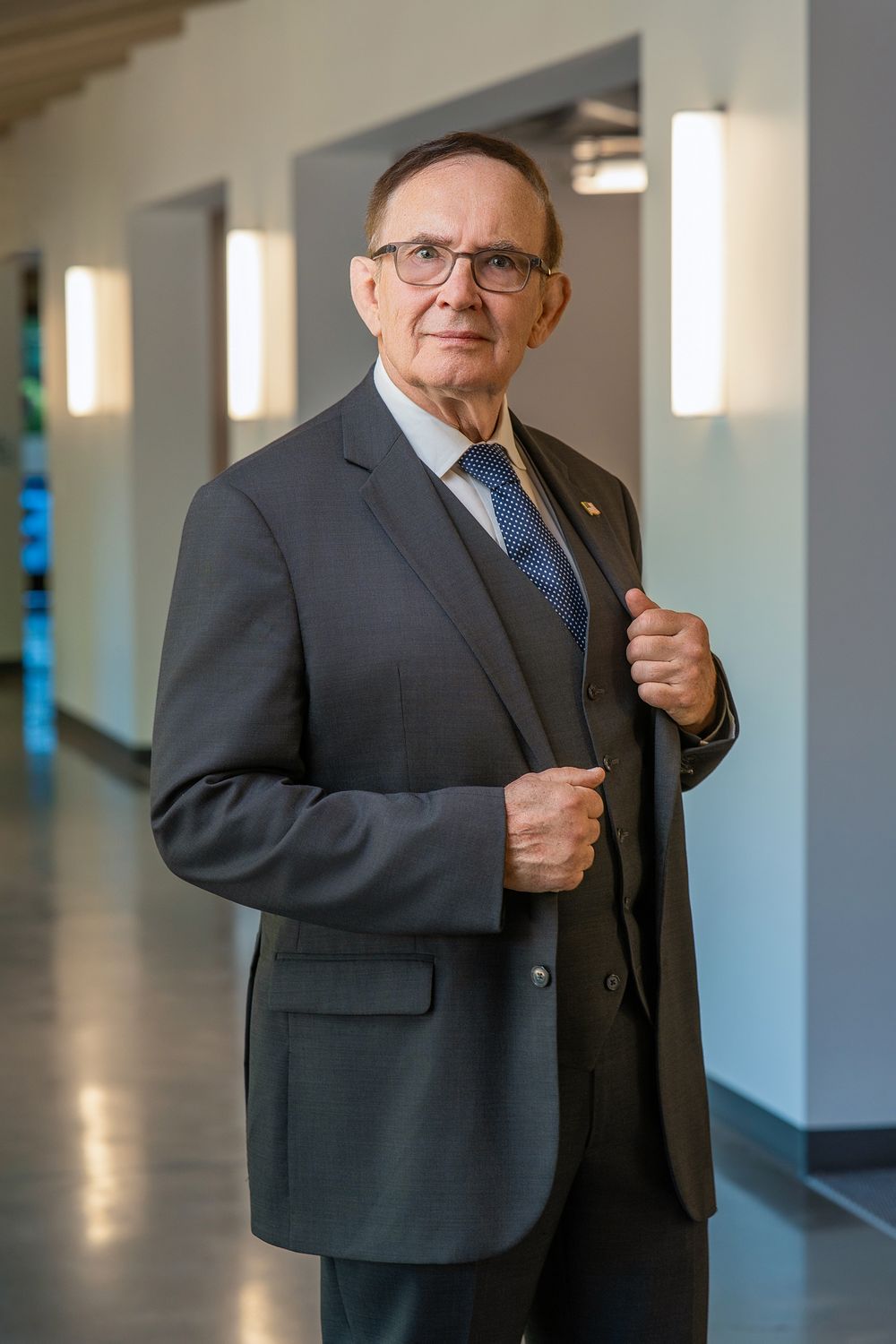
This is the classic choice for CEOs, senior vice presidents, board members, and public-facing leadership teams. The expression is confident but approachable. Wardrobe is refined, often in a tailored jacket or structured business attire, and the background is clean and understated.
What makes this work is restraint. Nothing pulls attention away from the face, posture, or presence. The image says authority, judgment, and professionalism without trying too hard.
2. The founder headshot with personality
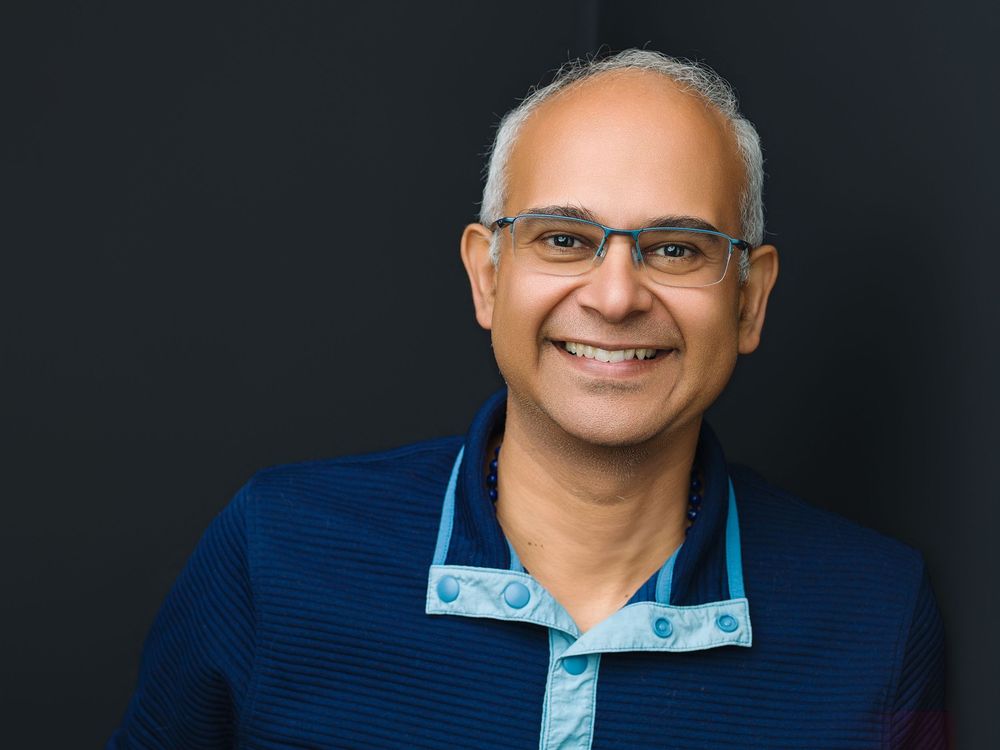
For founders and entrepreneurs, polish still matters, but so does individuality. A good founder headshot often carries a bit more warmth or edge than a traditional corporate portrait. The styling may be slightly more modern, and the expression can feel more relaxed while still controlled.
This works especially well in sectors where leadership is tied to innovation, visibility, and personal brand. The trade-off is that too much informality can weaken executive presence, so the image still needs structure.
3. The LinkedIn headshot that feels credible immediately
A strong LinkedIn headshot is usually framed tighter, with direct eye contact and a natural expression. It should read well at a small size and still feel polished when expanded. Busy backgrounds, tiny full-body compositions, and heavy retouching tend to underperform here.
The best version communicates competence fast. If someone scans your profile for three seconds, they should come away with a clear sense that you are credible, current, and professional.
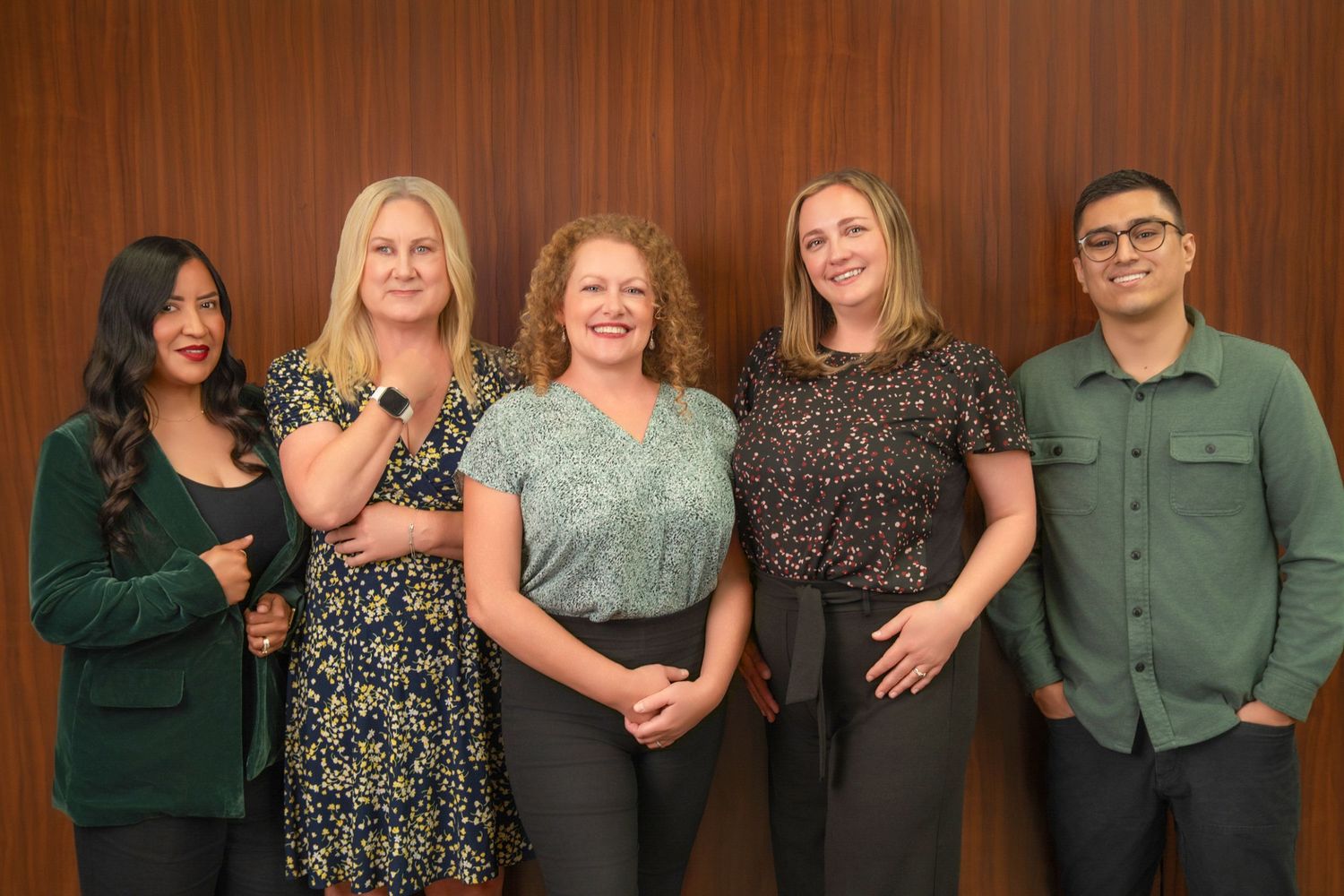
4. The company website team headshot
This example matters because many strong individual portraits fail when scaled across a team page. A good team headshot has consistent lighting, framing, color balance, and overall polish across multiple people. Individual personality is still visible, but the visual system feels unified.
For organizations, this consistency signals professionalism at the brand level. It tells clients, investors, and recruits that the company pays attention to details.
5. The speaker and media headshot
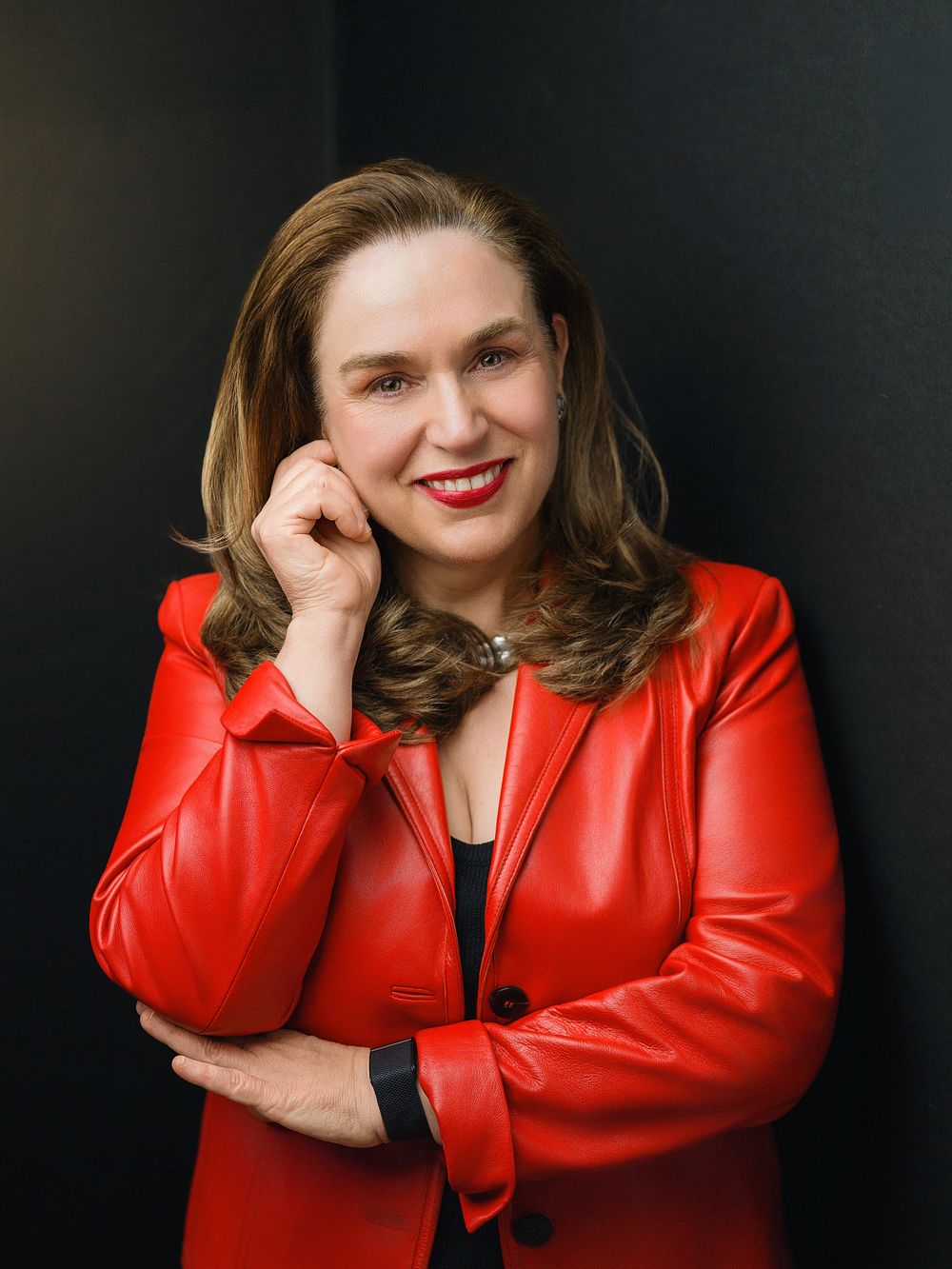
If you are pitching podcasts, conferences, panels, or press opportunities, your headshot needs to hold up in promotional materials. These images usually benefit from stronger styling, cleaner contrast, and an expression that feels confident on a stage or in a publication.
A speaker headshot should feel like someone audiences want to hear from. That does not mean exaggerated charisma. It means visible authority, energy, and clarity.
6. The personal branding headshot
This is where headshots move beyond simple portraiture and into positioning. A personal branding headshot may still be tightly framed, but it is often designed as part of a larger image set. The background, wardrobe, and expression are chosen to align with a business narrative.
For consultants, coaches, attorneys, creators, and public-facing professionals, this can be more effective than a generic studio portrait. The caveat is that branding choices should still age well. Trendy concepts can date quickly.
7. The approachable corporate headshot
Not every professional needs a highly formal look. In people-centered industries such as client services, recruiting, or healthcare leadership, a good headshot may lean more approachable than stern. The smile is natural, the posture is open, and the styling is polished without feeling rigid.
This works because trust is often built through warmth as much as authority. The mistake is pushing friendliness so far that the image loses structure or seriousness.
8. The legal or financial services headshot
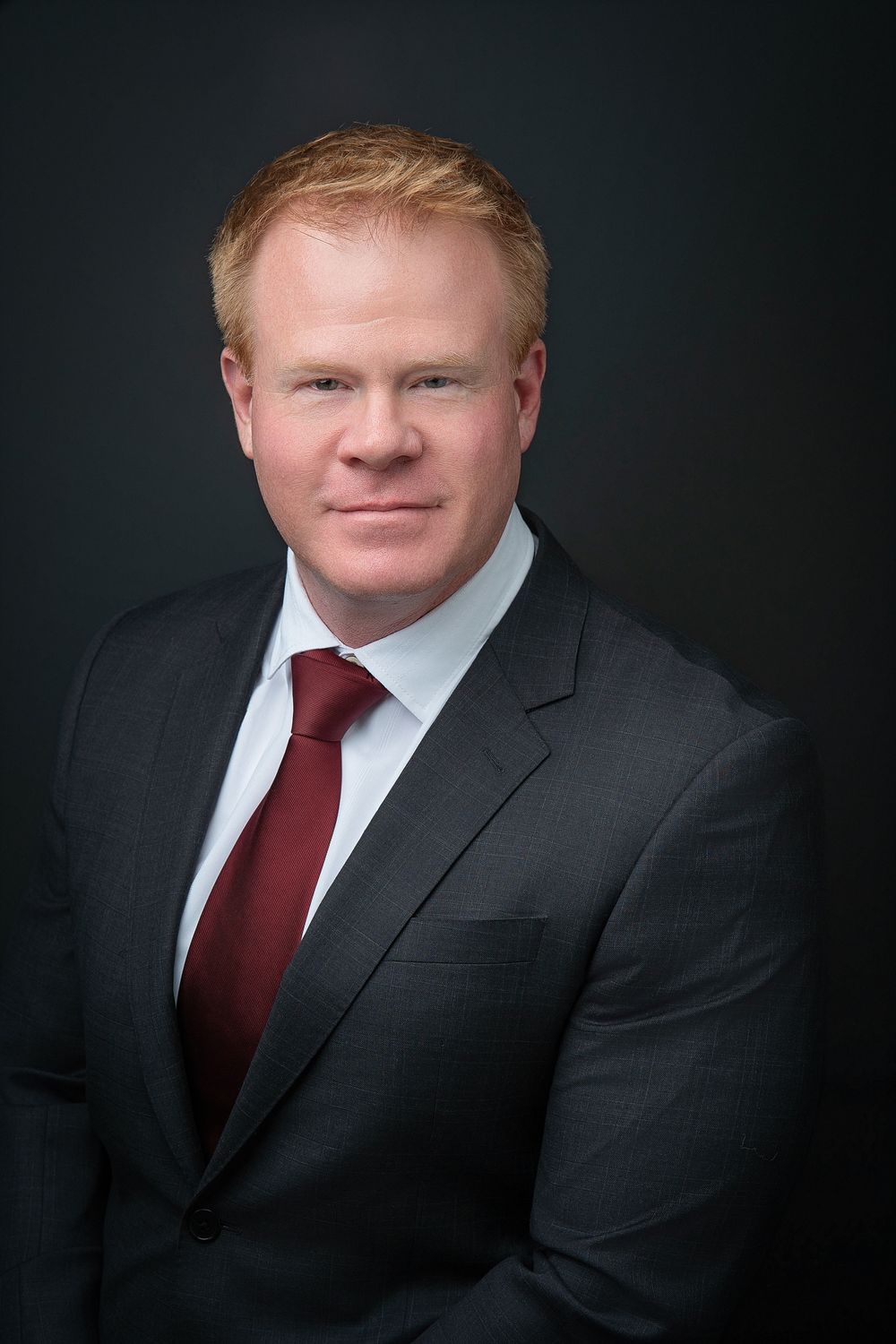
In fields where discretion, judgment, and stability matter, the best headshots tend to be classic. Neutral backgrounds, precise grooming, and composed expressions are often more effective than highly stylized imagery.
A good example here feels measured. It communicates reliability and confidence rather than trend awareness. That may sound conservative, but for certain markets, conservative is exactly the point.
9. The creative professional headshot
Designers, producers, authors, and other creative professionals often need more personality in the frame. That can come through wardrobe, subtle environmental context, or a more editorial lighting approach. The image still needs to look elevated and commercially usable.
The strongest version balances creativity with clarity. If the styling becomes the whole story, the headshot starts to feel like a concept image rather than a professional asset.
10. The actor or model headshot
Commercial and performance-driven headshots follow a different logic. Casting and client teams need to see you clearly, so expression, eye contact, and authenticity matter more than dramatic styling. Retouching should be minimal, and the image should feel like you on your best, most accurate day.
This is one of the clearest examples of a good headshot because the standard is brutally simple: does the image look believable, current, and castable? If not, it misses the mark.
11. The career transition headshot
When someone is moving from one industry or level to another, the headshot needs to bridge that shift. Maybe a mid-level manager wants to look more executive. Maybe a technical expert wants to appear more client-facing. Maybe an experienced professional wants to update an image that no longer reflects their current brand.
A good transition headshot is aspirational but credible. It should reflect where you are going without looking like costume play.
12. The modern studio headshot with timeless styling
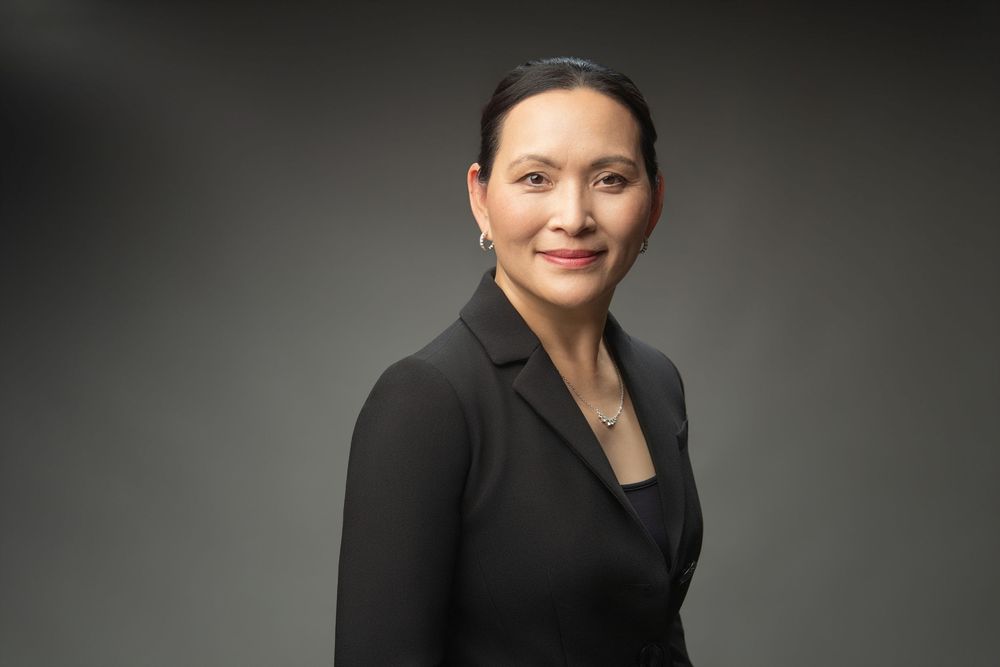
This is often the safest high-performing option for many professionals. Clean background, excellent lighting, flattering angles, polished wardrobe, and an expression that feels confident and current. It avoids gimmicks and travels well across platforms.
There is a reason this format remains effective. It is flexible, brand-safe, and highly usable for everything from press kits to investor decks.
How to judge whether a headshot is actually good
People often focus on whether they personally like a photo. That is only part of the question. A better test is whether the image supports the role it needs to play.
Does it look like the level you operate at? Does it fit the expectations of your industry without feeling generic? Would someone trust you, hire you, or take your meeting after seeing it? A technically polished image can still fall short if it sends the wrong message.
This is where strategy matters. At Atlas Studios, that is often the difference between a decent portrait and a business asset. The strongest headshots are built around use case, audience, and brand position, not just flattering light.
Common traits that weaken otherwise promising headshots
Most weak headshots fail in familiar ways. The expression looks tense. The retouching is obvious. The wardrobe competes with the face. The crop is awkward. The background is distracting. Or the image simply feels outdated.
Another common issue is mismatch. A relaxed startup-style portrait might work well for one founder and feel underpowered for a law partner or a board candidate. Good headshots are not interchangeable because professional credibility is context-sensitive.
What your best headshot should communicate
At minimum, it should communicate confidence, competence, and presence. Beyond that, the right message depends on your goals. Some people need to look highly authoritative. Others need a balance of leadership and accessibility. Others still need a polished image that leaves room for creativity or media visibility.
That is why the most useful examples of a good headshot are not just visually appealing. They are aligned. They look like the right person, presented the right way, for the right audience.
If you are evaluating your current image, ask a harder question than whether it looks nice. Ask whether it still represents the level of work you want to be known for. That answer is usually more revealing than the photo itself.
Bay Area Headshot Photographer
Hi, my name is
Marcus Araiza
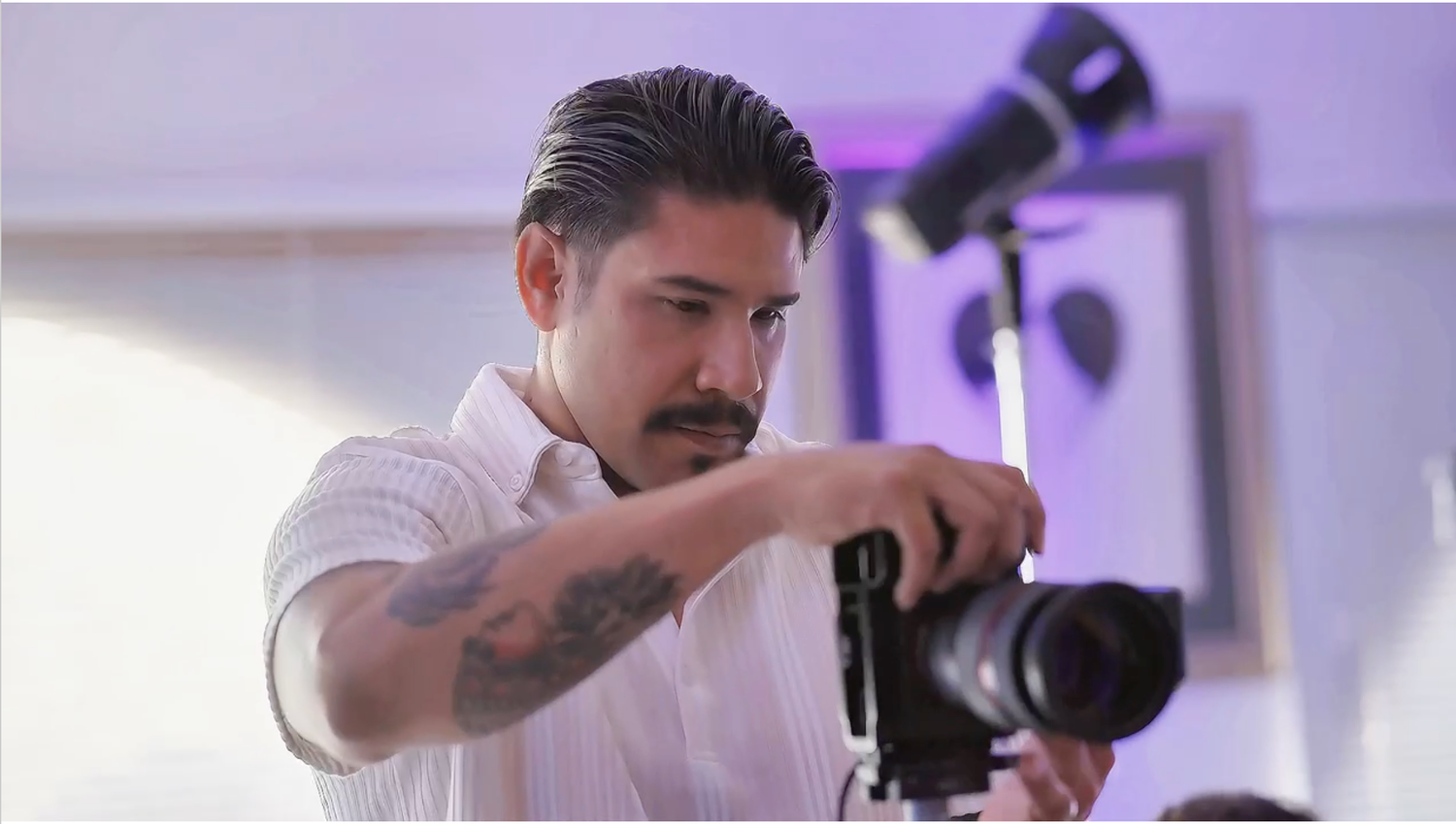
Headshot Photographer
Since 2000, I have followed my passion helping others look great for their online profiles, dating and social sites, corporate and personal branding. My passion is to help all of God's creatures to feel loved and accepted in front of my lens and help the world to see each individuals light.