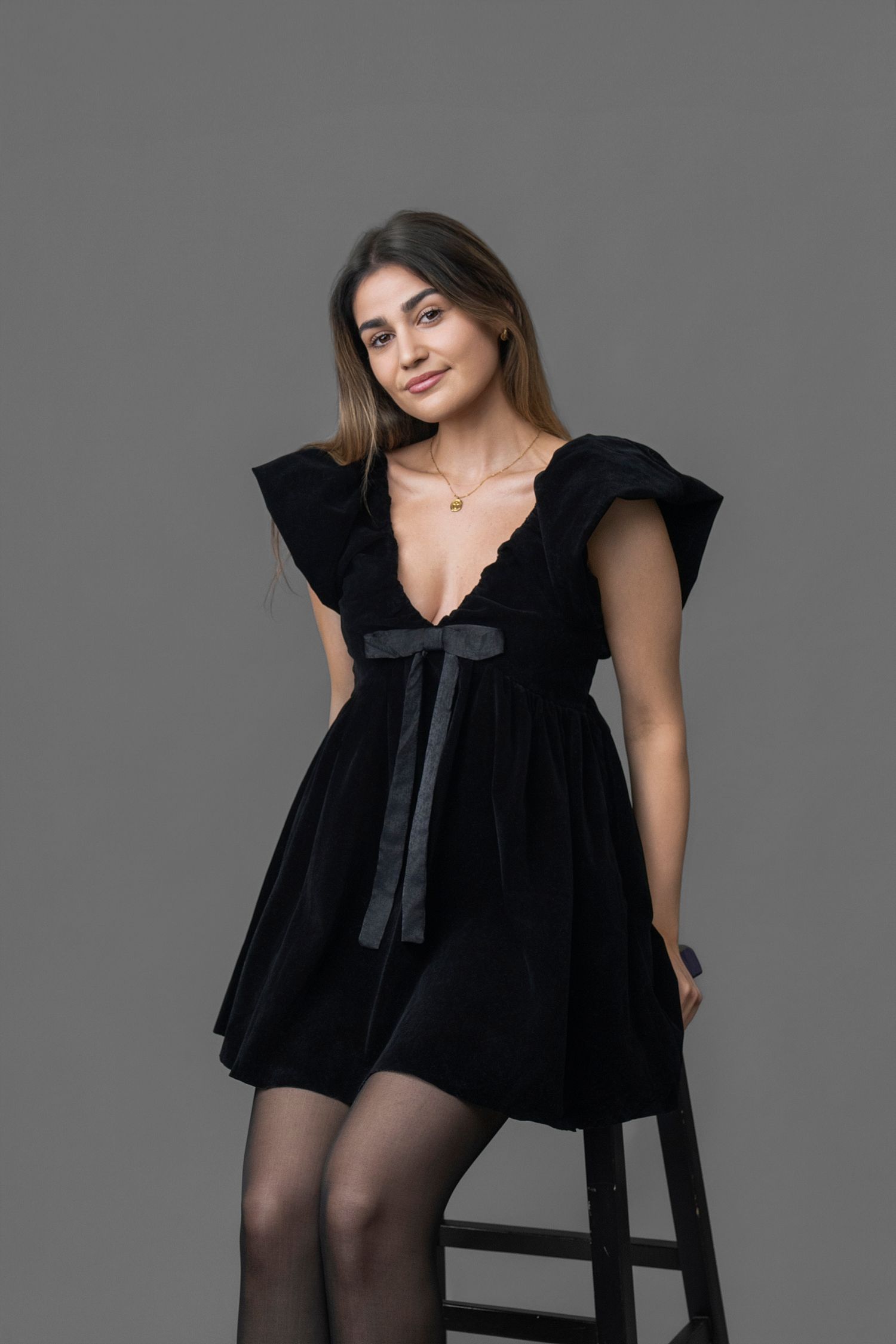
In today’s corporate world, a professional executive portrait can significantly impact perception, leadership presence, and personal branding. Choosing the right photography studio, such as Atlas Studios Pro, ensures your portrait communicates both authority and approachability. Executive portraits are not just photos; they are strategic visual tools. They convey professionalism, confidence, and personality simultaneously. In this blog, we will cover expert tips for facial expressions, in-studio lighting, background selection, wardrobe choices, and the psychological impact of visual representation. We will also provide practical examples and case studies to help executives understand how to achieve the perfect portrait.
Mastering Facial Expressions for Impact
Facial expressions are the cornerstone of effective executive portraits. The right expression communicates authority while remaining approachable. Facial cues, posture, and subtle gestures all influence perception. Understanding how these cues are perceived psychologically is essential for leaders who want their portraits to convey both confidence and empathy.
Conveying Authority
- Neutral Expressions: Neutral expressions project focus and professionalism. They are ideal for formal portraits used in investor decks, board introductions, and corporate presentations.
- Serious Look: A slightly serious expression enhances perceived confidence and decision-making ability. Controlled expressions communicate that the executive is decisive and competent.
- Jawline & Posture: A slight chin lift and good posture communicate strength and leadership. Keeping the shoulders relaxed but upright adds subtle authority without appearing rigid.
Case Example: A CFO’s portrait for an annual report used a neutral expression with a slight chin lift and upright posture. The result conveyed authority, reliability, and competence, which enhanced investor trust.
Demonstrating Empathy
- Slight Smile Techniques: A subtle smile conveys warmth, friendliness, and trustworthiness. It makes executives approachable while maintaining professional composure.
- Eye Contact: Direct eye contact engages viewers and signals honesty, openness, and confidence. It creates a sense of connection even through a static image.
- Relaxed Facial Muscles: Avoiding tension ensures the expression feels natural. Even minor tension around the eyes or jaw can unconsciously signal stress or rigidity, reducing approachability.
Pro Tip: Ask your photographer to take multiple shots with micro-adjustments in expression. Often the best balance of authority and empathy is captured in small changes that feel natural.
In-Studio Lighting Techniques
Lighting transforms the look and feel of an executive portrait. Proper lighting highlights features while creating depth. In-studio lighting allows precise control over shadows, highlights, and overall mood, which can drastically affect how authority and empathy are communicated.
The Triangle Lighting Setup
- Balanced Illumination: Three-point lighting with key, fill, and backlight creates dimension and prevents flat images.
- Key Light: The main light illuminates the face and sets the tone of the portrait. Adjusting its angle can highlight strong jawlines and facial symmetry.
- Fill Light: Reduces harsh shadows without flattening the subject. It ensures the face appears approachable and friendly.
- Backlight: Separates the subject from the background, giving the portrait a polished and professional look.
Mini Case Study: A CEO’s LinkedIn headshot used a soft key light at 45 degrees and a subtle backlight. The result was a professional yet approachable portrait that increased engagement on social media.
Enhancing Mood with Lighting
High-Key Lighting: Bright, minimal shadows are ideal for approachable portraits, often used for marketing or team introductions.
Low-Key Lighting: Darker tones with stronger shadows create authority and strength, suitable for CEO portraits or boardroom displays.
Adjusting Intensity: Light intensity subtly adjusts the portrait’s mood from warm to commanding. Using softboxes or reflectors can enhance texture without creating harsh shadows.
Tip: Lighting angles also influence perceived personality. Higher key lights make the subject appear alert and confident, while softer fill lights soften features, adding approachability.
Selecting the Right Background
Background selection is crucial in directing attention to the executive and reinforcing professional image. The choice of backdrop can reinforce authority, context, and personality.
Neutral and Professional Settings
- Solid Colors: White, gray, or muted colors focus attention on the subject without distractions. Neutral backgrounds ensure versatility across multiple platforms.
- Subtle Textures: Textured walls or soft gradients add depth while maintaining professionalism.
- Consistency: Matching background tones with corporate branding enhances visual cohesion, especially when multiple executives are photographed for a company website.
Contextual Backgrounds
- Office Environment: Incorporating desks, conference rooms, or bookshelves reflects leadership roles and provides natural context.
- Industry-Relevant Elements: Subtle cues, such as technology equipment for tech executives or legal books for lawyers, reinforce professional identity.
- Outdoor Settings: Suitable for tech or creative industries, outdoor backgrounds project openness, innovation, and modernity.
Example: A marketing executive’s portrait taken in a modern office with branded elements subtly included in the background communicated creativity and leadership in her industry.
Wardrobe Choices That Reflect Leadership
Wardrobe significantly affects perception, conveying competence, style, and approachability.
Understanding Enclothed Cognition
- Definition: Clothing affects both how executives are perceived and how they feel. The concept of enclothed cognition shows that what you wear can influence confidence and behavior.
- Authority Through Attire: Structured suits, blazers, and formal attire signal competence and leadership.
- Approachability Through Wardrobe: Softer colors or business-casual styles convey empathy and openness while maintaining professionalism.
Choosing the Right Attire
- Colors: Navy, gray, and black convey authority, while soft blues, pastels, or muted tones suggest approachability.
- Fit: Tailored outfits enhance sharpness and attention to detail, reflecting care and professionalism.
- Accessories: Minimal jewelry, ties, or cufflinks maintain focus on the subject’s face and overall presence.
For inspiration and high-quality examples of professional executive headshots, explore Atlas Studios Headshots & Portraits.
The Psychological Impact of Visual Representation
Executive portraits influence how viewers perceive leadership and credibility. Expression, lighting, wardrobe, and background directly shape perception.
Key Elements That Influence Perception
- Facial Expression: Subtle cues in expression communicate warmth, confidence, and authority.
- Lighting: Proper lighting emphasizes features, reduces distractions, and creates a professional aura.
- Background: Supports context, professionalism, and relevance.
- Wardrobe: Reinforces leadership, authority, and approachability simultaneously.
| Element | Effect on Perception | Recommended Usage |
| Facial Expression | Authority vs Approachability | Corporate websites, LinkedIn, investor presentations |
| Lighting | Mood, professionalism | Headshots, annual reports, presentations |
| Background | Focus and context | Neutral for professionalism, office for credibility, outdoor for creativity |
| Wardrobe | Authority & Empathy | Tailored suits for authority, soft colors for approachability |
| Posture & Composition | Leadership and confidence | Head-and-shoulders framing, relaxed shoulders, upright posture |
Executive portraits are powerful branding tools. Research indicates viewers form judgments within milliseconds, and well-composed portraits enhance trust, credibility, and perceived competence. Companies that invest in professional executive photography often see improved engagement on corporate websites, social media, and marketing materials.
Conclusion
Executive portraits are more than photos; they are visual tools that communicate leadership presence, authority, and empathy. Every detail from facial expression to wardrobe contributes to perception. Choosing a professional studio like Atlas Studios ensures your portrait reflects your leadership qualities and personal brand. For inquiries or to schedule a session, Contact Us.
FAQs
1. What makes an executive portrait effective?
An effective executive portrait conveys authority, approachability, and professionalism through expressions, lighting, wardrobe, and background.
2. How should executives pose for a portrait?
Executives should maintain good posture, relaxed shoulders, slight chin lift, and natural expressions, either neutral or subtly smiling.
3. What wardrobe colors are best for executive portraits?
Neutral colors such as navy, gray, black, or soft pastels work best for balancing authority and approachability.
4. Why is lighting important in executive portraits?
Lighting sets the tone, highlights facial features, reduces shadows, and conveys mood ranging from approachable to commanding.
5. How can I make my portrait more approachable?
Use subtle smiles, relaxed facial expressions, softer wardrobe colors, and friendly eye contact to convey warmth and trust.