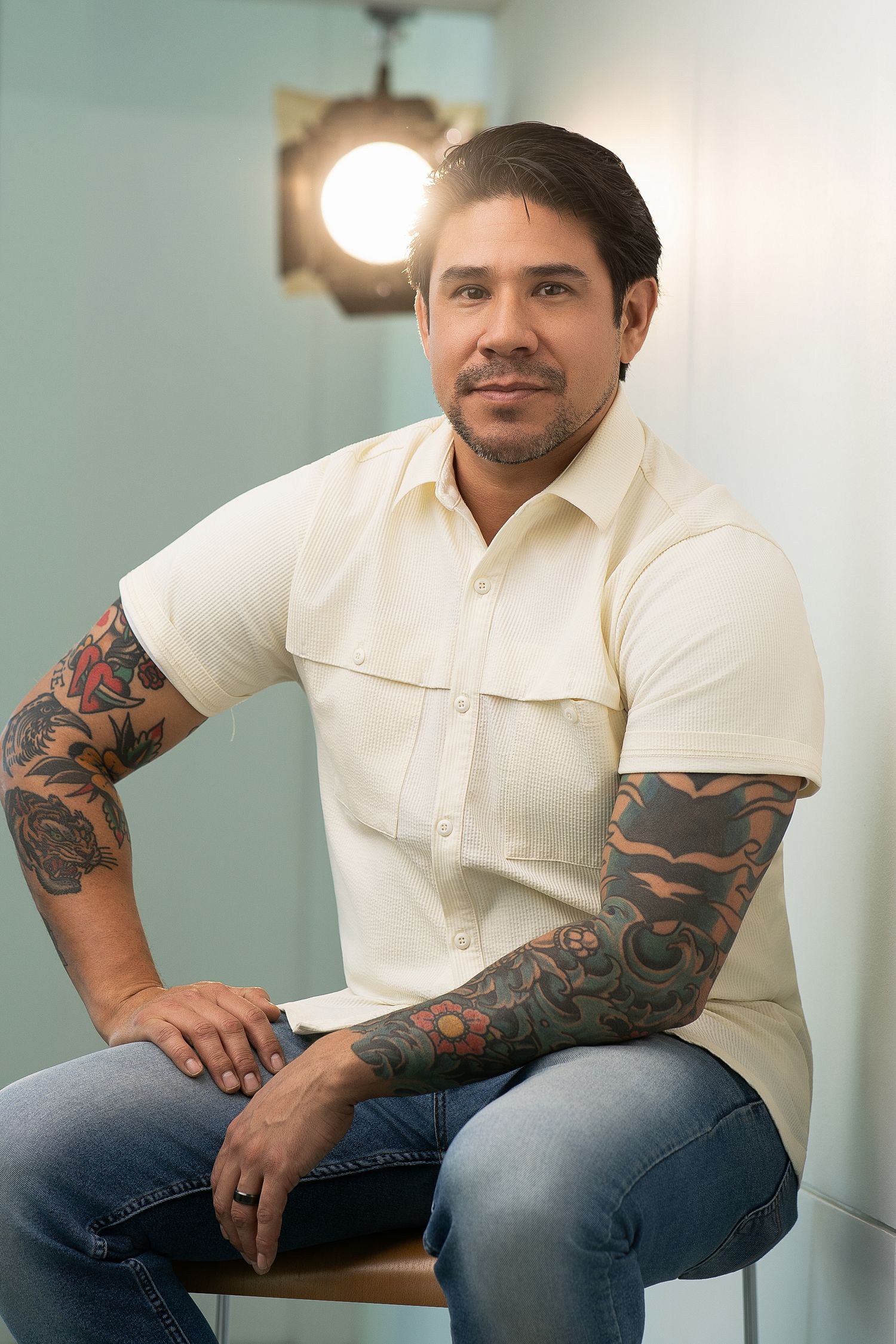
Creating a professional headshot at home is now more achievable than ever. With remote work, online networking, and digital portfolios becoming standard, individuals and professionals need high-quality images that present them confidently. A polished headshot builds trust, communicates credibility, and supports personal branding. While studio photography offers controlled conditions, a well-planned home setup can produce equally professional results when lighting, camera angles, and background are handled correctly. This guide walks you through every step of taking a professional headshot at home, so your image looks clean, confident, and work-ready.
Why a Professional Headshot at Home Matters
A professional headshot is often the first impression people have of you online. Whether used for LinkedIn, company websites, portfolios, or video platforms, your headshot communicates reliability and approachability. Taking your headshot at home allows flexibility, comfort, and cost savings. However, without planning, home headshots can look casual or uneven. Understanding how to control lighting, angles, and environment helps transform a simple space into a professional setting.
Benefits for Remote Workers and Individuals
Remote workers benefit greatly from polished headshots that reflect professionalism across digital platforms. A consistent image reinforces personal branding and helps maintain a professional presence even when working from home. Individuals also gain control over timing and retakes, allowing them to refine their look without pressure.
Preparing Your Space for a Home Headshot
Preparation is the foundation of a successful headshot. Choosing the right location inside your home reduces distractions and improves image quality. Look for a quiet space with natural light and minimal visual clutter.
Selecting the Best Background
A clean background keeps attention on your face. Plain walls, neutral curtains, or simple textures work well. Avoid busy patterns, shelves, or visible household items. If space is limited, positioning yourself several feet away from the background helps create subtle separation and depth.
Lighting Setup for a Polished Look
Lighting is the most important element of a professional headshot at home. Poor lighting can create harsh shadows or uneven skin tones, while good lighting adds clarity and dimension.
Using Natural Light Effectively
Natural light from a window is ideal for home headshots. Face the window so light falls evenly across your face. Avoid overhead lighting, as it creates unflattering shadows. Shooting during morning or late afternoon provides softer light that flatters most skin tones.
Simple Artificial Lighting Options
If natural light is limited, use a soft lamp placed at eye level and slightly to the side. Diffuse the light with a white cloth or lampshade to reduce harshness. Consistency matters more than brightness.
Camera Setup and Equipment Basics
You do not need professional cameras to achieve strong results. Modern smartphones and basic cameras can produce excellent headshots when set up correctly.
Camera Position and Stability
Position the camera at eye level to maintain natural proportions. A tripod or stable surface prevents motion blur and keeps framing consistent. Avoid holding the camera, as this introduces uneven angles and distractions.
Camera Settings and Focus
Use the highest resolution available. Turn off beauty filters and wide-angle distortion if possible. Focus on the eyes to ensure sharpness and clarity.
Choosing the Right Camera Angles
Camera angles affect how approachable and confident you appear. Small adjustments can significantly change the result.
Framing for Professional Headshots
Frame your head and shoulders with some space above your head. This composition works well for professional platforms. Slightly angling your shoulders instead of facing the camera straight on adds depth while keeping the pose natural.
Eye Contact and Expression
Look directly into the lens to create connection. A relaxed, confident expression works best. Avoid forced smiles. Think of a positive interaction to bring warmth to your expression naturally.
What to Wear for an At-Home Headshot
Clothing plays a key role in how professional your headshot appears. Solid colours photograph better than busy patterns. Neutral tones or soft contrasts help keep focus on your face. Choose attire that reflects your industry and role. Structured clothing adds polish, even in casual work environments.
Posture and Body Language
Good posture enhances confidence and presence. Sit or stand up straight with shoulders relaxed. Slightly lean forward to engage the camera. Small posture adjustments can dramatically improve how approachable you appear.
Editing and Final Touches
Light editing helps refine your headshot without making it look artificial. Adjust brightness, contrast, and colour balance for consistency. Avoid heavy retouching, as natural features build trust and authenticity. Cropping should maintain head and shoulder framing, leaving space for different platform requirements.
Common Mistakes to Avoid in DIY Headshots
Using overhead lighting, cluttered backgrounds, and incorrect camera angles are common mistakes. Another issue is standing too close to the background, which creates harsh shadows. Rushing the process often results in inconsistent images. Taking time to review and refine improves outcomes significantly.
How Home Headshots Support Personal Branding
A professional headshot photography at home supports consistent branding across platforms. When your image aligns with your professional goals, it strengthens credibility and recognition. Consistency in lighting, expression, and framing helps create a cohesive personal brand image.
Conclusion
Taking a professional headshot at home is a practical and effective solution for individuals and remote workers who want to present themselves confidently online. By focusing on lighting setup, camera angles, background selection, and posture, you can achieve a polished look without a studio. Careful preparation and attention to detail turn everyday spaces into professional environments. When done correctly, a home headshot becomes a powerful tool that enhances credibility, supports personal branding, and makes a strong first impression across all professional platforms. Get in touch with Atlas Studios for studio bookings and inquiries.
Frequently Asked Questions
Q1: Can a professional headshot at home really look studio-quality?
Yes, with proper lighting, camera placement, and background control, home headshots can look polished and professional.
Q2: What is the best lighting setup for home headshots?
Natural window light facing the subject works best, supported by soft artificial light if needed.
Q3: Do I need a DSLR camera for professional results?
No, modern smartphones can produce excellent results when used correctly.
Q4: How far should I stand from the background?
Standing several feet away reduces shadows and creates depth.
Q5: How many photos should I take?
Take multiple shots to capture natural expressions and select the strongest image.