What to Wear for a Killer Headshot in 2026
You can have the right photographer, strong lighting, and a polished expression, but if your wardrobe undercuts your presence, the image works harder than it should. When clients ask what to wear for executive headshot sessions, the real question is usually this: what will make me look credible, current, and fully aligned with my role?
The answer is not one universal outfit. A venture-backed founder, a law firm partner, a hospital executive, and a keynote speaker all need something slightly different. The best wardrobe choice supports your industry, your seniority, your brand, and the way the image will actually be used - whether that is LinkedIn, a board bio, a company leadership page, a press feature, or a speaking engagement.
What to Wear for Executive Headshot Photos
Start with the principle that matters most: wear clothing that looks intentional, fits impeccably, and keeps the attention on your face. Executive headshots are not fashion portraits. They are business assets. Your clothing should reinforce confidence and authority without becoming the main event.
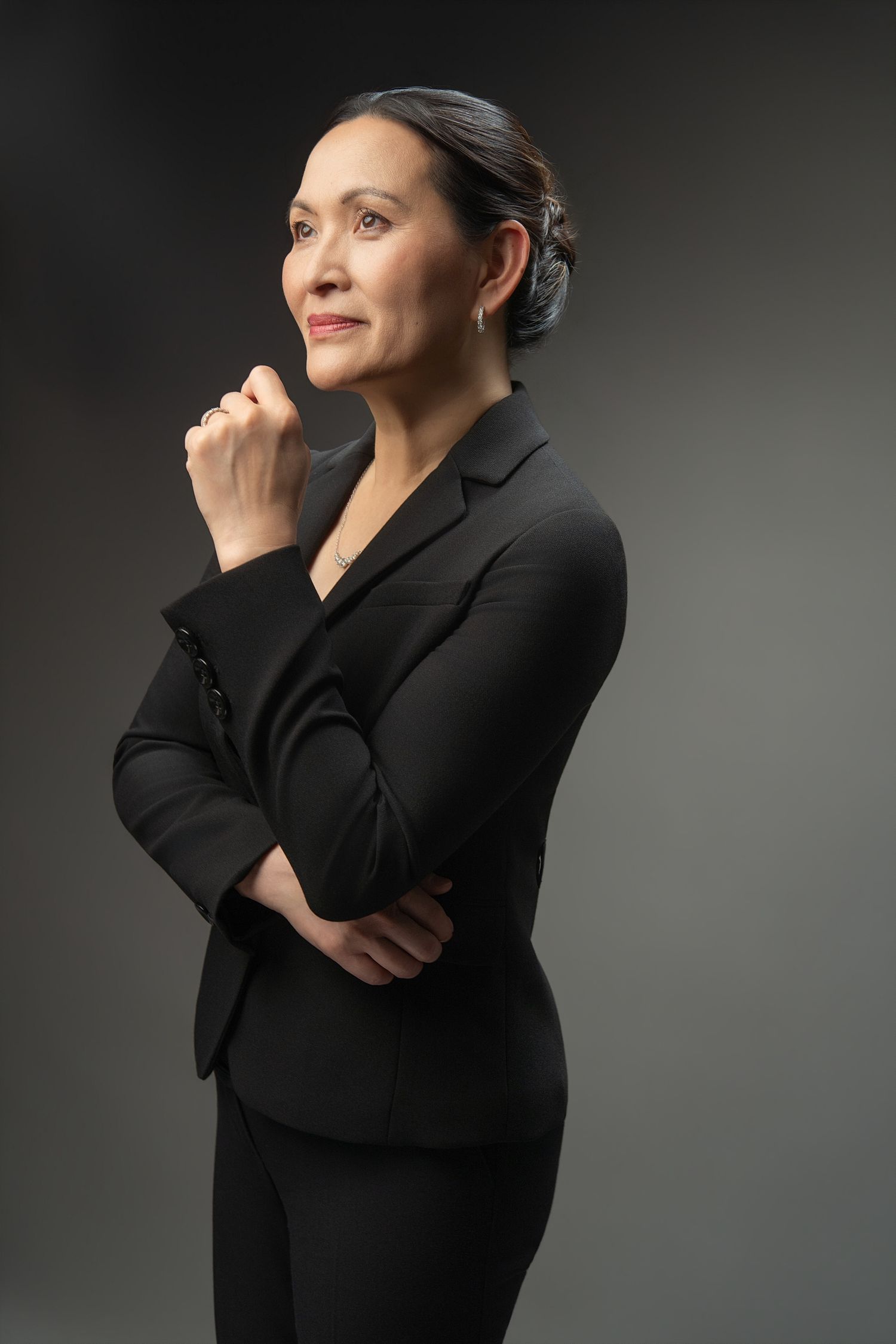
For most professionals, solid colors outperform busy patterns. Mid-to-dark tones tend to photograph especially well because they create structure and keep the image grounded. Navy, charcoal, deep blue, soft black, espresso, and muted jewel tones are consistently strong choices. These shades read as polished on camera and usually complement a wide range of skin tones.
Fit matters more than brand. A premium jacket that pulls at the buttons or a blouse that gaps at the chest will register immediately in a professional portrait. Clean tailoring signals control and attention to detail. That is exactly what an executive image should communicate.
If you are deciding between two outfits, choose the one that feels a touch more elevated than your daily uniform, not dramatically different from it. Your headshot should look like your best professional self, not a version of you dressed for someone else’s expectations.
Dress for Your Industry, Not Just the Camera
The most effective executive headshots are aligned with context. What works for a fintech founder may feel too relaxed for private equity. What looks right for a creative director may feel too styled for a healthcare leadership team. Clothing should match the level of formality your audience expects.
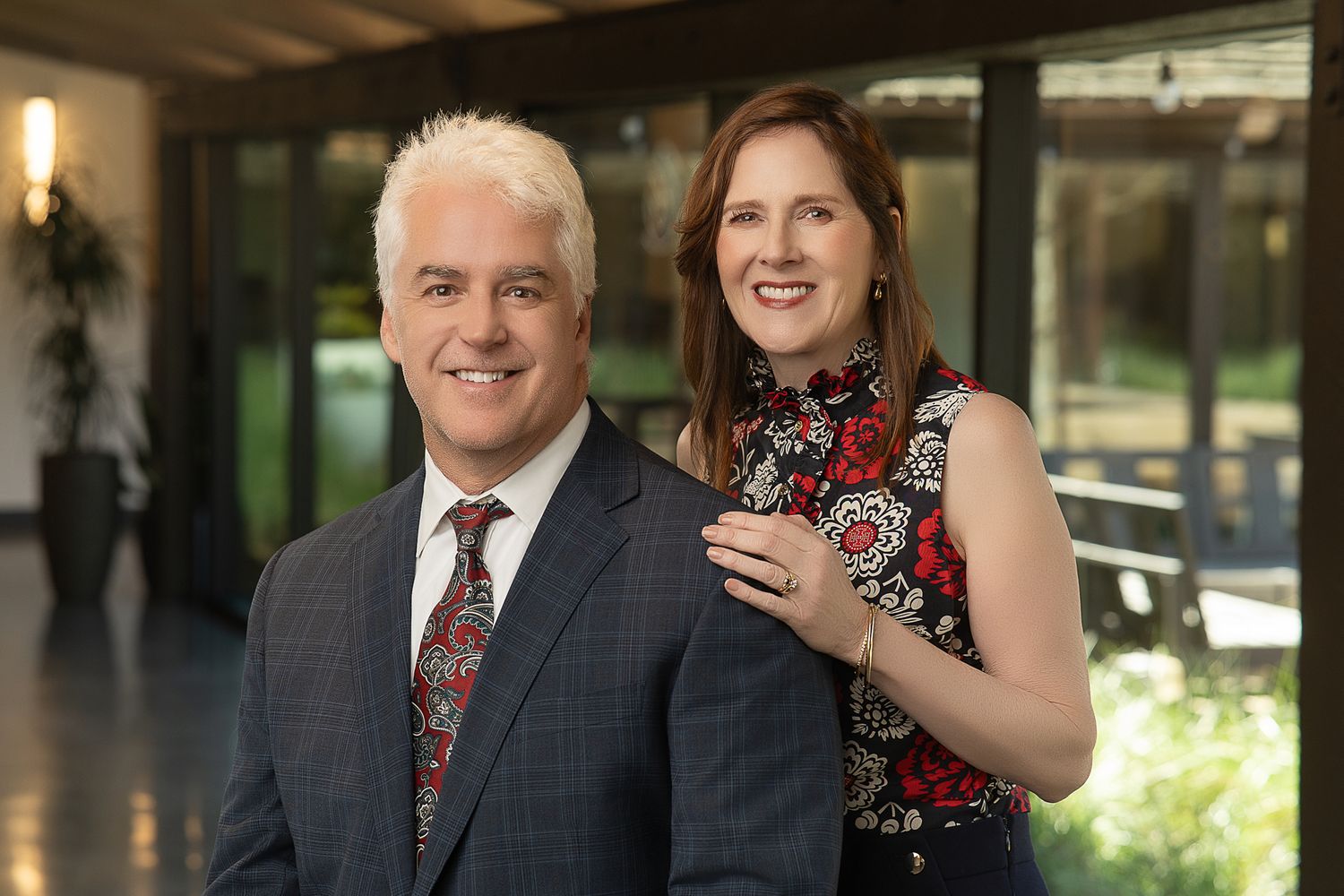
In more traditional sectors such as finance, law, consulting, and certain corporate leadership environments, structured pieces remain the safest choice. A well-cut blazer, tailored dress, collared shirt, or suit jacket creates shape and authority. Ties are not always necessary, but they can still be appropriate if they reflect how you typically show up in high-stakes settings.
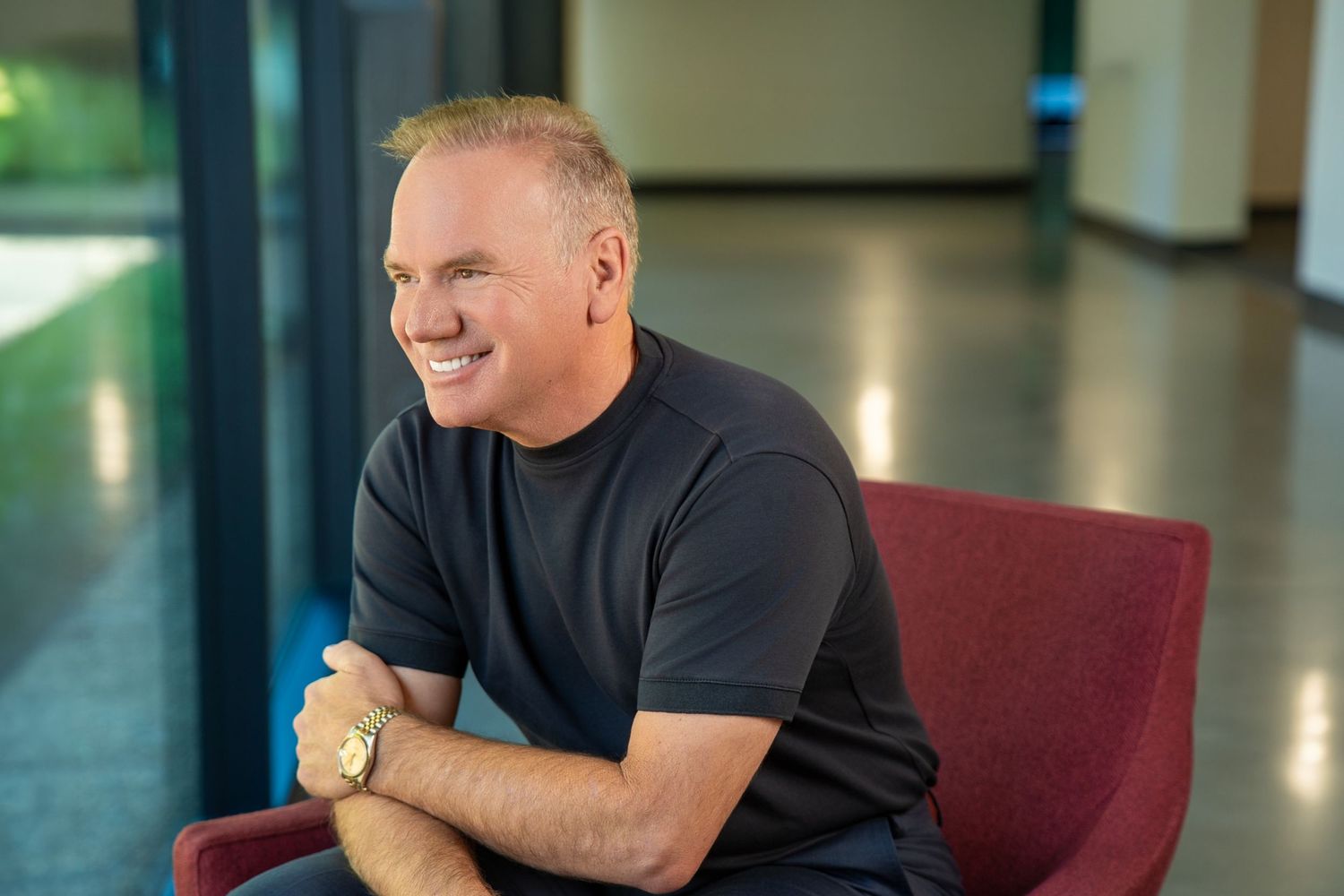
In technology, startups, and modern brand-led industries, the standard is often more flexible. A blazer over an open-collar shirt, a refined knit under a jacket, or a streamlined dress can feel current without looking casual. The key is polish. Relaxed does not mean sloppy, and contemporary does not mean trend-driven.
For public-facing entrepreneurs and personal brands, wardrobe often needs to bridge professionalism and approachability. You want to look established, but also accessible. In those cases, softer layering, strong neutrals, and clean silhouettes often photograph better than highly formal corporate wear that can feel stiff or generic.
The Best Colors for an Executive Headshot
Color choice shapes perception faster than most people expect. It affects contrast, skin tone, mood, and how modern the final image feels.
Blue remains one of the strongest options because it reads as trustworthy, composed, and professional. Navy is especially reliable. It gives structure without the harshness that black can sometimes create, particularly in brightly lit studio settings.
Charcoal, deep green, burgundy, and plum can also work beautifully when they are subdued rather than loud. These colors add depth while still feeling executive-level. Crisp white can be effective under a jacket or as part of a layered look, but a full bright white garment on its own can sometimes feel stark unless styled carefully.
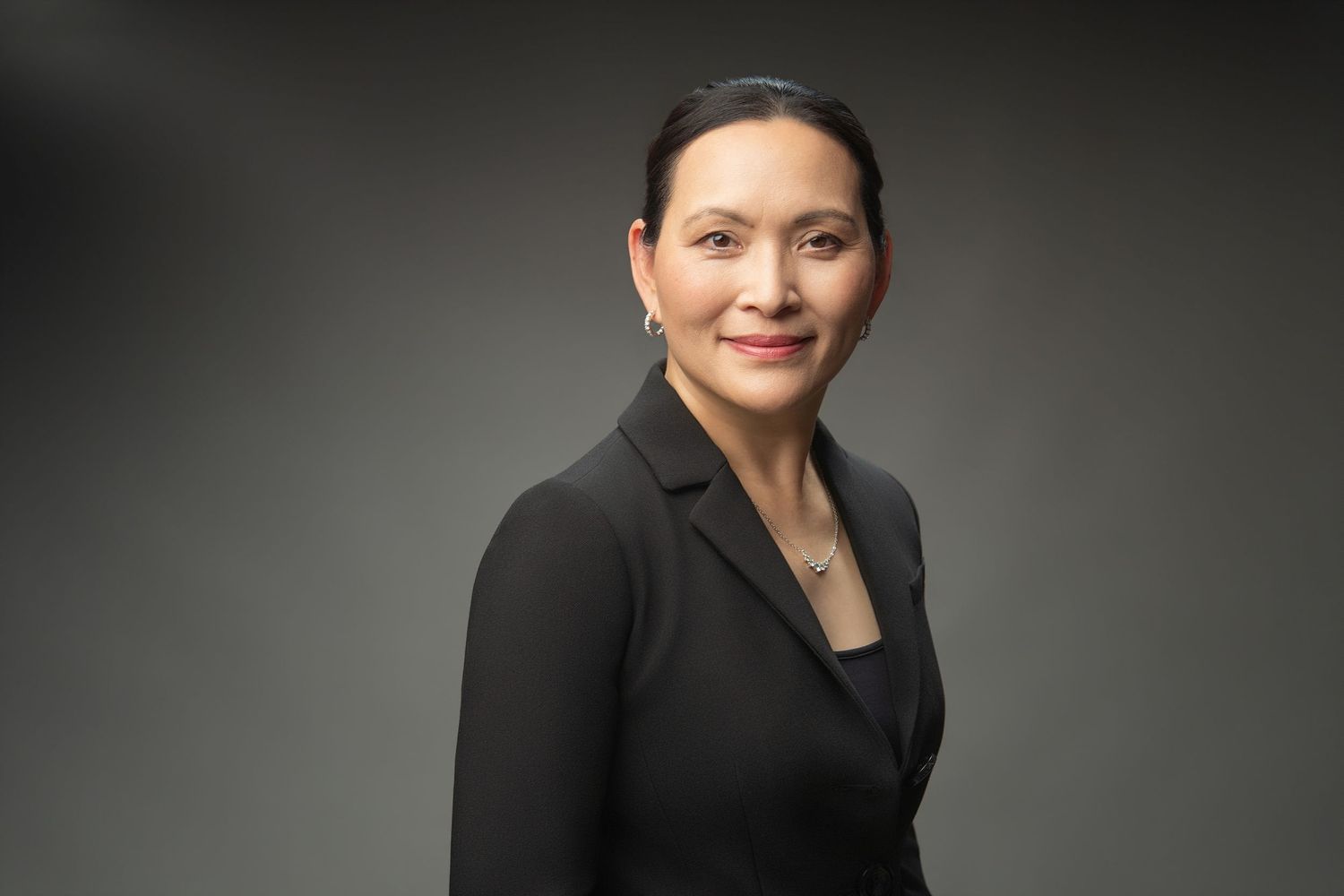
Black is useful, but it depends on the person and the purpose of the image. It can look sleek and powerful, yet it can also flatten detail or feel severe if the lighting, background, and complexion are not working in its favor. That is one reason wardrobe decisions should be made in relation to the full visual setup, not in isolation.
Pastels, neon tones, and extremely saturated colors usually distract more than they help. The goal is not to appear louder. The goal is to appear sharper.
Patterns, Prints, and Texture
If you want your headshot to have longevity, simplicity usually wins. Loud prints, thin stripes, large florals, and high-contrast checks tend to date quickly and can compete with your expression. They also create visual noise in small digital formats, which matters because many people will first see your headshot as a tiny thumbnail.
That does not mean everything has to be flat and plain. Texture can be an excellent substitute for pattern. A subtle weave, a matte knit, a structured blazer fabric, or a blouse with refined drape adds interest without stealing focus. The camera responds well to texture because it creates dimension while keeping the image clean.
If you are set on a pattern, keep it understated and classic. From a branding standpoint, restraint usually communicates more authority than novelty.
Jewelry, Accessories, and Grooming Choices
Accessories should support the image, not divide attention. A watch, simple earrings, or a refined necklace can work well, but oversized statement pieces often become the first thing viewers notice. That is rarely the right outcome for an executive portrait.
Glasses are a common question. If you wear them regularly and they are part of how colleagues recognize you, they should often stay. Just make sure they are clean, current, and free of heavily tinted lenses. Frames that are overly bold can dominate the face, while frames with subtle structure often photograph best.
Hair, makeup, and grooming should aim for polished realism. This is not about looking overdone. It is about removing distractions and helping you appear rested, composed, and camera-ready. Shine control, neat hairlines, smooth fabric, and well-maintained details all make a meaningful difference once the image is enlarged.
What Women and Men Should Keep in Mind
For women, necklines matter because they affect both professionalism and composition. V-necks, boat necks, crew necks, collared blouses, and tailored dresses can all work well depending on fit and styling. Extremely low necklines, overly sheer fabrics, or pieces that shift easily on the body tend to create avoidable issues on set.
For men, collar structure is one of the biggest details to get right. A crisp shirt collar instantly improves the frame of the image. If wearing a jacket, make sure the shoulders sit correctly and the sleeves are properly tailored. If skipping a tie, the open collar should still feel intentional and refined, not like the outfit lost its final step.
Across the board, layering tends to photograph well. Jackets, blazers, and structured outer layers add shape and authority. They also give you options, which can be useful if you need multiple looks from a single session.
What Not to Wear for an Executive Headshot
Some wardrobe choices consistently weaken an otherwise strong portrait. Thin clingy fabrics can reveal every fold and pull. Wrinkled garments read as rushed. Visible logos, trendy graphics, and highly seasonal fashion details date the image and shift it away from executive positioning.
Very casual clothing also tends to miss the mark unless the brand context truly supports it. Hoodies, worn polos, athletic fabrics, distressed materials, and anything that feels weekend-oriented usually do not deliver the level of credibility most leaders need from a professional headshot.
It is also wise to avoid anything you need to keep adjusting. If a jacket slides, a neckline moves, or a shirt bunches when you sit or stand, the discomfort often shows in your posture and expression.
Bring Options, But Be Strategic
If your session allows for wardrobe changes, bring two or three options that serve different use cases rather than minor variations of the same look. For example, one more formal outfit for leadership pages and press, and one slightly more approachable look for LinkedIn or speaking materials. That gives you versatility without overcomplicating the session.
A helpful rule is to compare your outfits by camera impact, not hanger appeal. Some pieces look impressive in person but fall flat on screen. Others seem simple off-camera and turn out to be the strongest choice in the final frame. This is where experienced guidance matters. Studios such as Atlas Studios often help clients review wardrobe choices in real time because the best decision is the one that works in the image, not just in theory.
Your executive headshot should make people feel they are looking at someone prepared, credible, and established. Clothing is a large part of that equation, but the right choice is rarely about dressing up for the sake of it. It is about visual alignment - matching your wardrobe to your role, your audience, and the level of opportunity you want the image to support.
If you are unsure what to wear, aim for clarity over creativity, fit over labels, and polish over trend. The strongest headshots do not rely on wardrobe to create authority. They use wardrobe to confirm it.