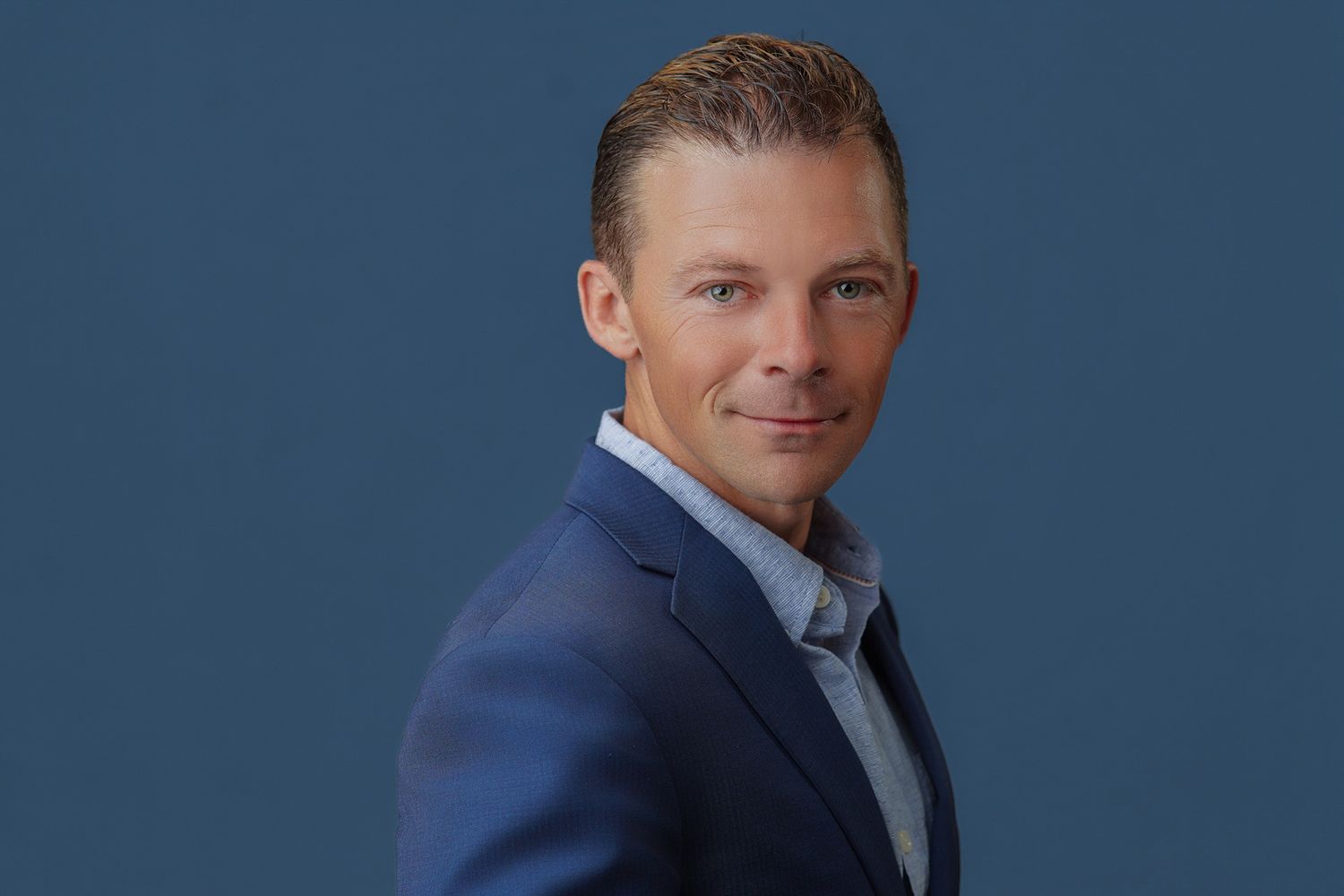
In the eyes of a recruiter
A recruiter opens your LinkedIn profile. A conference organizer requests a speaker bio. A potential client checks your company website before a call. In each case, your photo speaks before you do. That is why understanding what is professional headshots matters more than many people realize.
A professional headshot is not just a nice photo of your face. It is a business asset designed to present you with credibility, confidence, and clarity. It should look polished without feeling stiff, approachable without looking casual, and aligned with the role, industry, and reputation you want to project.
For executives, founders, attorneys, consultants, physicians, and public-facing professionals, a strong headshot helps close the gap between first impression and real authority. It tells people you take your work seriously and that your personal presentation matches the level of your expertise.
What Is a Professional Headshot, Exactly?
At its core, a professional headshot is a purpose-built portrait used for business or career-facing platforms. Think LinkedIn, company leadership pages, press features, speaking engagements, investor materials, proposals, and bylined articles. The image is usually framed from the chest or shoulders up, with lighting, expression, wardrobe, and background all chosen to support a specific professional impression.
That last part matters. A professional headshot is strategic. It is not simply about looking attractive on camera. It is about looking credible in context.
A startup founder may need a headshot that feels modern, intelligent, and approachable. A law firm partner may want something more formal and authoritative. A real estate team might need a consistent set of portraits that feel polished but personable. An actor or model may need a version that is more market-specific and expressive. The definition stays the same, but the execution shifts depending on use.
What Makes a Headshot "Professional"?
The word professional gets used loosely, but in this case it has a clear meaning. A professional headshot is created with intention. It is shaped by technical quality, brand awareness, and commercial relevance.
Lighting is one of the biggest differentiators. Good lighting defines the face cleanly, flatters features, and avoids the harsh shadows or uneven tones that make an image feel amateur. Posing matters too. The best headshots look natural, but they are rarely accidental. A slight shift in posture, chin position, or eye line can change the entire message of the image.
Wardrobe and grooming also contribute. Professional does not always mean suit and tie, but it should feel deliberate. Your clothing, hair, makeup, and overall styling should support your industry and audience rather than distract from them.
Then there is expression. This is where many casual photos fall short. A professional headshot needs the right balance of warmth and authority. Too serious, and you can seem closed off. Too relaxed, and the image may not carry enough presence. The right expression depends on where the photo will live and what people need to feel when they see it.
Finally, retouching plays a role, but only when it is handled well. A professional image should look refined, not artificial. The goal is to present you at your best, not to erase the fact that you are a real person.
Professional Headshots vs. Regular Portraits
People often confuse headshots with portraits, and there is overlap, but they are not exactly the same.
A portrait can be more expressive, environmental, or artistic. It may tell a broader story about the subject and include more of the setting, body language, or mood. A professional headshot is typically tighter, more focused, and more functional. It is built for recognition, consistency, and practical business use.
That does not mean it should feel generic. In fact, the strongest headshots usually carry a distinct point of view. But the purpose is more specific. If a portrait says, "Here is a person," a headshot says, "Here is a professional you can trust."
Why Professional Headshots Matter in Business
Most professionals do not meet their audience in person first. They meet through screens, profile pages, media kits, and internal directories. Your image becomes part of your reputation long before a conversation begins.
That is where professional headshots create value. They reduce uncertainty. They make you look established, prepared, and credible. For leadership teams, they also create visual consistency across a company brand. When every executive image looks like it belongs to the same organization, the business appears more coordinated and more mature.
There is also a practical side. A polished headshot can be used across multiple channels for years if it is produced well and aligned with your current role. That makes it one of the most efficient brand assets you can invest in.
Still, there is a trade-off. A headshot that is too generic may feel safe but forgettable. One that is too stylized may age quickly or feel mismatched in formal settings. The right approach usually sits somewhere in the middle - current, elevated, and flexible enough to work across platforms.
Where Professional Headshots Are Used
A strong headshot earns its keep because it works in many places. Most professionals use it on LinkedIn and company websites first, but those are only the beginning.
It often appears in conference materials, speaker one-sheets, press interviews, podcasts, pitch decks, award submissions, board announcements, internal communications, and sales collateral. For entrepreneurs and consultants, it can become central to a personal brand across social media, newsletters, and media outreach.
This is why usage should shape the session. If you need one image only for an internal employee directory, that is a different assignment than creating a suite of visuals for a founder who speaks publicly, appears in the press, and leads business development.
What to Expect From a Professional Headshot Session
A true professional headshot session should feel guided, not awkward. The best experience is not just about standing in front of a camera. It includes planning, direction, image review, and decisions based on how the final images will be used.
Before the session, you should think through wardrobe, audience, and brand tone. Are you aiming for boardroom-ready authority, polished approachability, or a more modern leadership presence? Those distinctions affect everything from background choice to expression.
During the session, direction matters. Most people are not naturally comfortable on camera, and they should not be expected to self-direct. A strong photographer will coach posture, angles, facial expression, and micro-adjustments that make a visible difference. Real-time review is especially valuable because it lets you refine the look while you are still on set rather than hoping for the best afterward.
Hair, makeup, and styling support can also be worthwhile, especially for executives with limited time or high-visibility needs. This is less about glamour and more about polish. Camera-ready preparation helps the final image look intentional and professional.
How Often Should You Update a Headshot?
A useful rule is to update your headshot when your appearance, role, or brand positioning changes in a noticeable way. For many professionals, that means every one to three years.
If you have changed industries, stepped into senior leadership, launched a company, or significantly altered your look, your photo should reflect that. The same applies if your current image feels dated, low resolution, or inconsistent with the quality of your present brand.
An outdated headshot creates subtle friction. People may not say it directly, but they notice when an image no longer matches the person, title, or level of professionalism they expect.
Choosing the Right Style for Your Industry
There is no single formula for the right headshot. Finance, tech, healthcare, legal, media, and creative industries all signal professionalism a little differently.
In Silicon Valley and the Bay Area, for example, many leaders want images that feel polished without appearing overly formal. That often means clean styling, confident posture, and a refined but approachable expression. In more traditional sectors, stronger formality may still be the better choice.
The key is alignment. Your headshot should match the room you want to enter. Not every executive needs a dark backdrop and formal jacket. Not every founder benefits from an ultra-casual look. Context decides.
The Real Answer to What Is Professional Headshots
If someone asks what is professional headshots, the simplest answer is this: they are strategic portraits built to support business credibility. But the fuller answer is that they help shape perception at a level most people underestimate.
A professional headshot is not vanity. It is visual positioning. It tells clients, colleagues, employers, and audiences that you understand how presentation affects trust. And in competitive markets, trust often forms before the first handshake, the first meeting, or the first pitch.
The best headshot does not try too hard. It looks like you on a very good day - clear, confident, current, and ready for the opportunities attached to your name.
If your image is going to introduce you again and again, it should represent where you are headed, not where you were a few years ago.


