Headshots with a Definite Chief Aim
A polished headshot often gets viewed before you ever join the meeting, answer the email, or step onto the stage. That is why the question what is corporate headshots matters more than it may seem. In a business setting, a headshot is not just a nice photo. It is a professional asset designed to communicate credibility, confidence, and brand alignment at a glance.
For executives, founders, attorneys, consultants, sales leaders, and public-facing teams, that first visual impression carries weight. It shapes how people read your professionalism before they read your bio. A strong corporate headshot supports trust. A weak one can quietly undermine it.
What are corporate headshots?
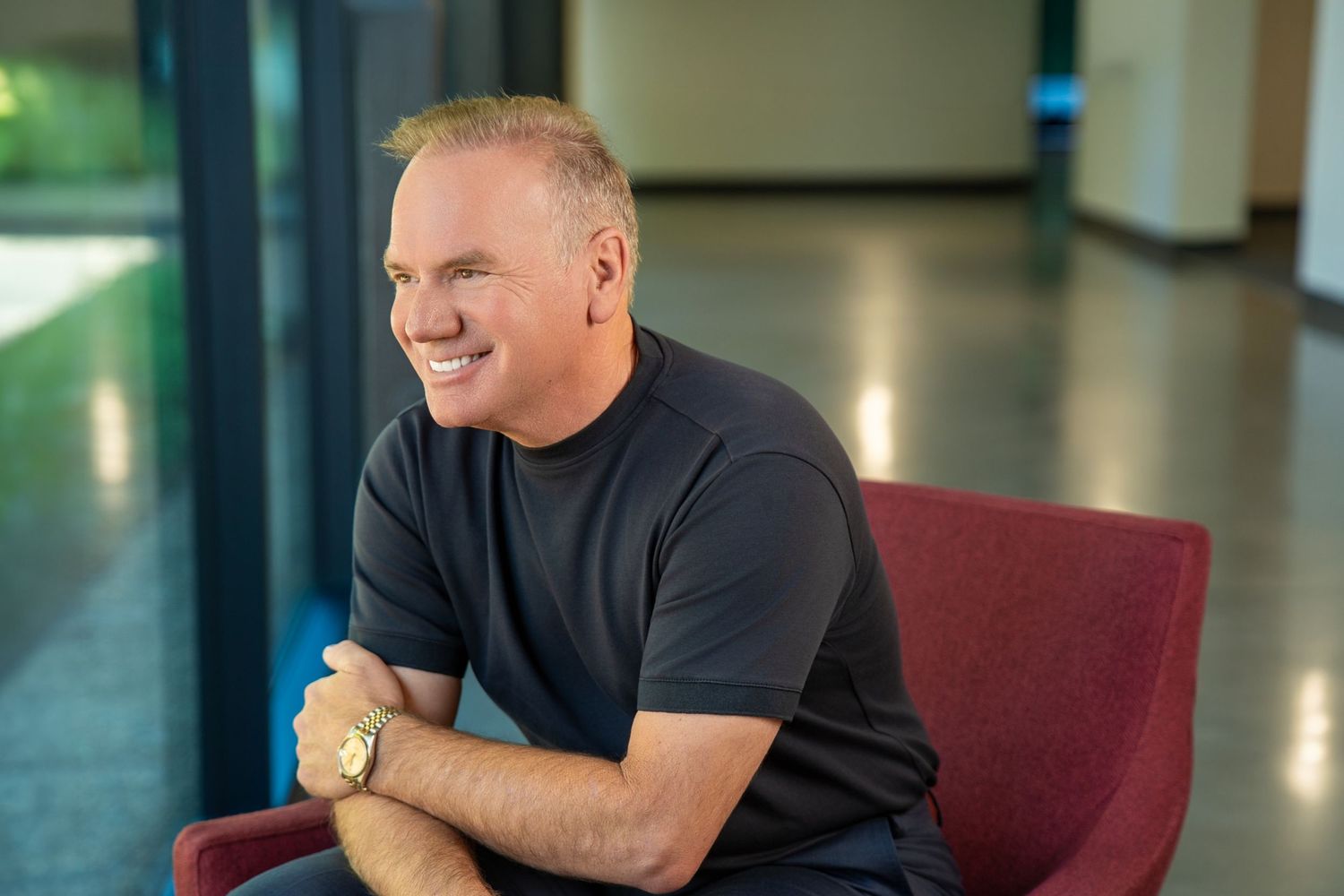
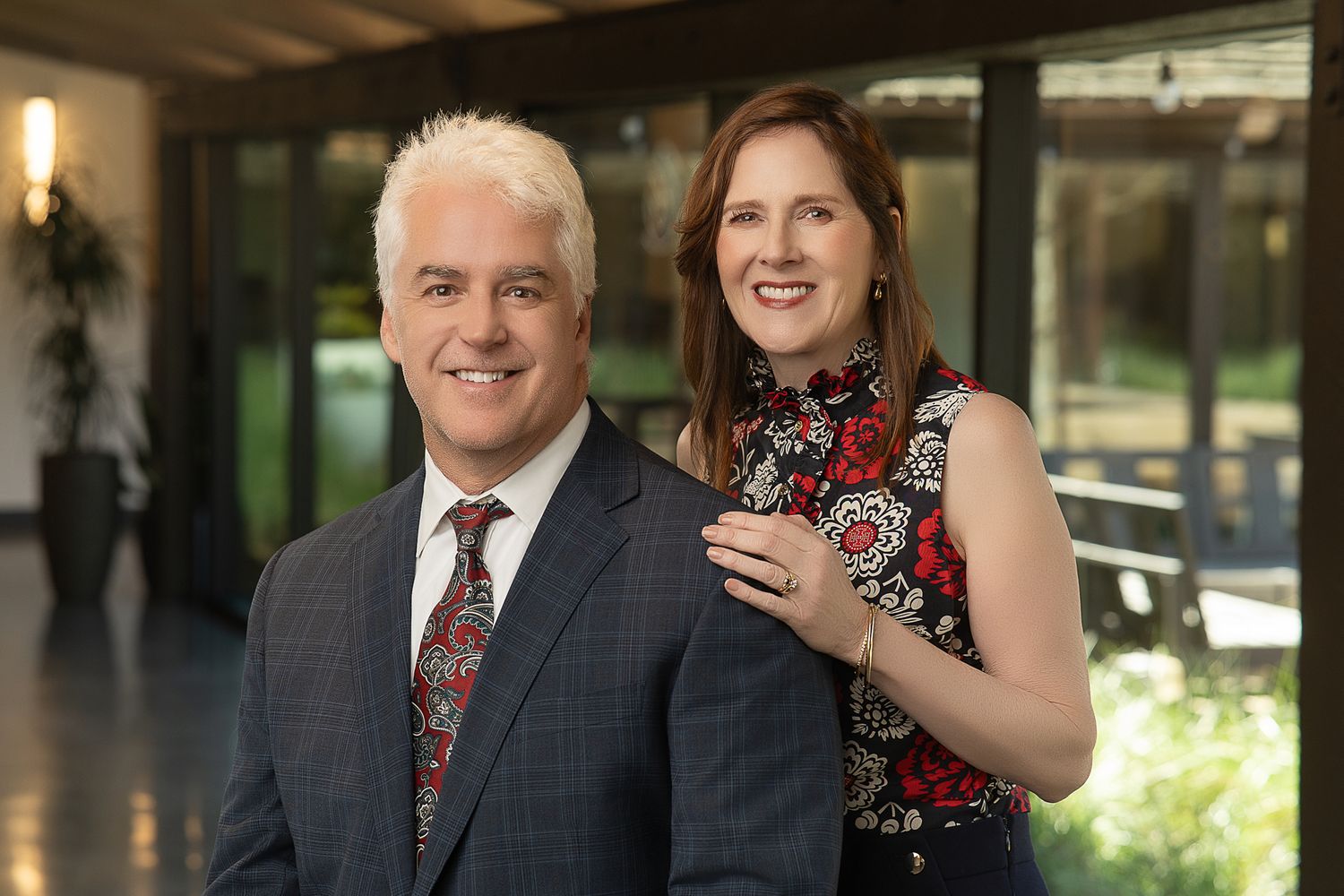
Corporate headshots are professional portraits created for business use. They are typically used on company websites, LinkedIn profiles, speaker pages, press materials, investor decks, internal directories, and marketing collateral. The goal is not simply to show what someone looks like. The goal is to present them in a way that reflects both personal credibility and organizational standards.
That distinction matters. A corporate headshot is strategic. It is built around how the image will function in the real world, who will see it, and what impression it needs to create. In some cases, that means polished and formal. In others, it means approachable, modern, and brand-forward. The right direction depends on the industry, the role, and the audience.
A venture-backed founder in Silicon Valley may need an image that feels sharp but not overly rigid. A law firm partner may need something more traditional and authoritative. A sales team may benefit from photos that feel warm, consistent, and easy to engage with. The category is the same, but the execution is never one-size-fits-all.
What makes a corporate headshot different from a regular portrait?
A regular portrait can be expressive, personal, or artistic. A corporate headshot has a job to do. It is created with commercial and professional use in mind, which changes the decisions behind lighting, framing, wardrobe, retouching, and expression.
The framing is usually tighter and more intentional because the image will often appear in small digital spaces, such as profile thumbnails or website team grids. The styling is more controlled because clothing, grooming, and posture all influence perceived authority and polish. The background is chosen to support usability, whether that means a clean studio backdrop, an office environment, or a lightly branded setting.
Most importantly, a corporate headshot needs to match the subject's professional positioning. Someone building a personal brand may want a more dynamic look with editorial polish. A company updating headshots across multiple departments may prioritize consistency and cohesion. A portrait can be personal. A corporate headshot must be useful.
Why corporate headshots matter in business.
People make fast judgments, especially online. Before a client schedules a call, before a recruiter replies, before a conference organizer confirms a speaker, they often see a photo first. That image sets the tone.
A strong headshot suggests professionalism, attention to detail, and confidence. It tells people that you take your role seriously and that your brand presentation matches the level at which you operate. This is particularly important for leaders and client-facing professionals, where trust and perception directly affect opportunity.
For companies, headshots also shape the brand as a whole. When leadership portraits and team photos are inconsistent, outdated, or low quality, the business can appear fragmented. When the imagery is cohesive, current, and professionally produced, the organization feels more established and more credible.
This is one reason sophisticated companies treat headshots as part of brand infrastructure rather than a cosmetic extra. They are not just filling empty spots on an About page. They are building visual trust.
What a corporate headshot usually includes.
At its core, a corporate headshot session focuses on the face, posture, expression, and wardrobe that best support a business goal. But the final image is shaped by several choices working together.
Lighting is one of the most important. Clean, flattering light communicates polish and professionalism. Harsh or inconsistent lighting can make even a highly accomplished person look tired, distracted, or unprepared. Expression also matters more than many clients expect. A slight change in the eyes or mouth can shift the image from guarded to confident, or from stiff to approachable.
Wardrobe selection plays a major role as well. The best clothing choices are usually aligned with the client's industry, seniority, and brand identity. This does not always mean formal. A tech executive may be better served by elevated business casual than by a traditional suit, while a financial professional may need a more classic look. The right choice is the one that supports the role and the audience.
Retouching is part of the process, but in a business context, it should be measured. The goal is to present the subject at their best while keeping the result believable. Over-retouched headshots can feel artificial, which works against trust.
Who needs corporate headshots?
The short answer is any professional whose image appears in a business setting. That includes C-suite leaders, founders, board members, attorneys, physicians, consultants, real estate professionals, sales teams, recruiters, and speakers. It also includes employees at every level when a company wants a consistent and credible public-facing presence.
Some people assume headshots are only necessary when they are job hunting. In reality, they matter throughout a career. Promotions, press mentions, conference features, podcast appearances, company announcements, and website updates all create moments when a professional image becomes valuable.
For teams, headshots are especially useful during growth. As companies scale, visual consistency helps reinforce culture and quality. It also makes marketing and communications teams more efficient because they have ready-to-use assets for multiple channels.
When a company should update corporate headshots.
If the current photos are more than a few years old, no longer reflect the team, or vary widely in style and quality, it is probably time to update them. The same applies after a rebrand, a leadership change, a website redesign, or a major shift in market positioning.
A common problem is the mixed gallery effect. One employee has a cropped conference snapshot, another has a studio image from six years ago, and a third is using a casual social photo. Individually, these might seem acceptable. Together, they weaken the brand.
Updated headshots do more than improve appearance. They signal that the business is active, current, and invested in how it presents itself. In competitive markets, that matters.
What to expect from a professional corporate headshot session.
A well-run session should feel efficient, guided, and intentional. Clients should not be left guessing about wardrobe, posing, or expression. The strongest experience combines technical skill with strategic direction, because most professionals are not models and should not be expected to know how to create an effective business image on their own.
This is where premium studios stand apart. The process often includes pre-session planning, wardrobe guidance, on-set coaching, and real-time image review so adjustments can be made during the shoot rather than after the fact. For executives and teams, this level of support improves both the experience and the final result.
In a market like San Jose and the broader Bay Area, where leadership presence and brand perception carry real commercial value, headshots need to do more than look polished. They need to hold up across investor relations, media opportunities, recruiting materials, and digital platforms. That is why many professionals work with studios that understand both image-making and business positioning. Atlas Studios, for example, approaches headshots as part of a broader visual branding strategy rather than a simple photo appointment.
The real value of corporate headshots.
The best corporate headshots make people look like themselves on their best, most credible day. That sounds simple, but it requires judgment. Too formal, and the image can feel distant. Too casual, and it may not carry authority. Too stylized, and it may age quickly or limit where it can be used.
A strong result sits in the right middle ground. It reflects the person, supports the brand, and works across the places where professional impressions are made every day.